You notice a bad pen at the worst possible moment: three words into a birthday card, halfway down a shopping list, or ten minutes into a meeting when the ink gives up entirely. Most of us grab whatever is rattling around in the drawer, but the gap between a gel pen and a ballpoint is not marketing talk. It changes how your writing looks, how quickly it dries, and how much your hand aches by the end of a page.
The ink is doing the work
A ballpoint pushes a thick, oil-based paste through a tiny ball bearing in the tip. That paste is sticky on purpose: it sits on top of the paper rather than soaking in, which is why ballpoint writing feels slightly raised and why a cheap pen can produce a thin, patchy line when you write quickly. You have to press to release the ink, and the harder you press, the more the line width varies.
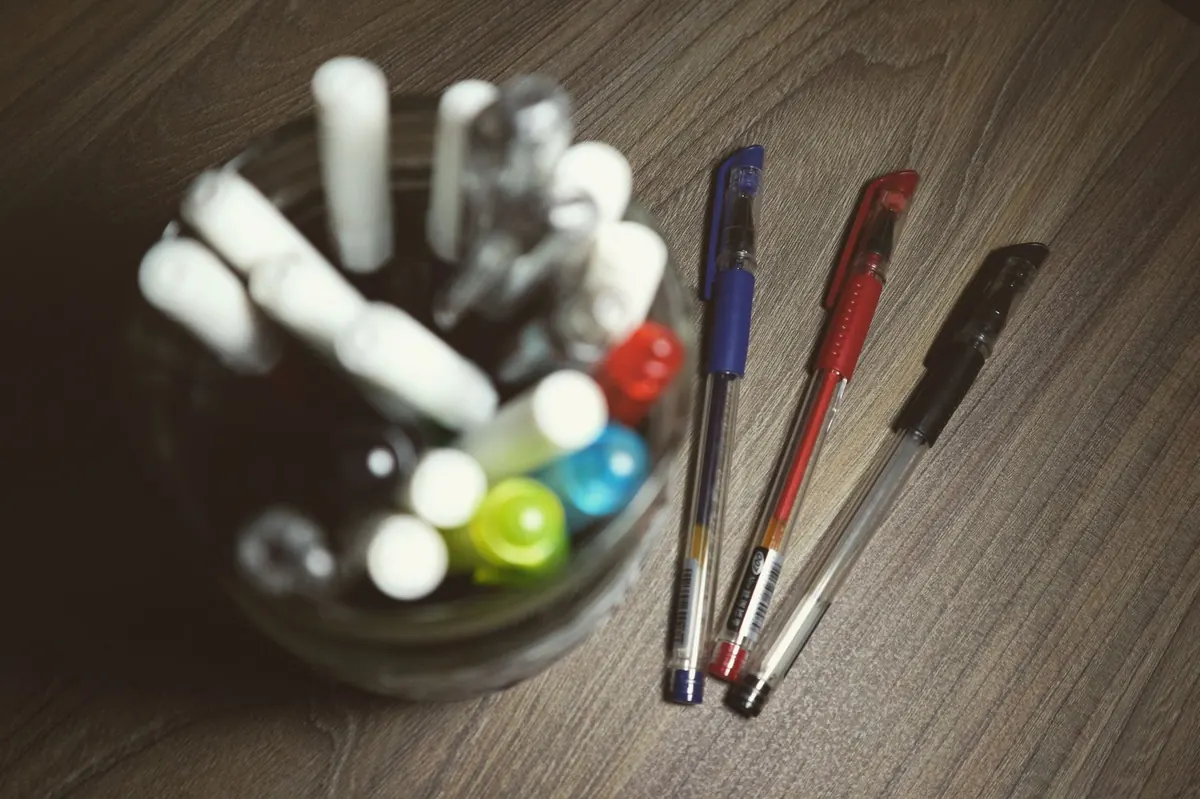
Gel pens use a water-based ink thickened into a gel and loaded with pigment. It flows with very little pressure, so the line is darker, denser and closer in character to a fountain pen. The trade-offs are real: gel ink stays wetter on the surface for longer, uses more ink per word, and can blob if the refill is old or the tip is clogged with fluff. Rollerballs behave similarly, so if you like a gel pen you will probably like a rollerball too.
- Ballpoint: works on almost any paper, writes upside down, survives months in a drawer without drying out.
- Gel: darker line, less effort, needs a cap or a click mechanism you trust, and dislikes rough paper.
Drying time and smudging
This is where the two pens part company most obviously. On smooth, coated stock such as a greetings card or a glossy notebook, gel ink can take a few seconds to settle. Drag your hand across it and you get a grey smear and a ruined word. Ballpoint ink is dry almost the instant it touches the page, which is why it remains the sensible choice for cheques, forms and anything you sign and fold straight away.
Left-handed writers do not have to avoid gel pens, but they need a strategy:
- Look for a quick-dry gel refill if the brand offers one.
- Angle the page slightly clockwise so your hand travels below the line you have just written.
- Keep a spare sheet or a blotter under your writing hand.
- Write a little larger, so fewer strokes end up beneath your palm.
Paper matters as much as ink. Rough, absorbent paper pulls gel ink in quickly; smooth, coated stock holds it on the surface. A gel pen that smudges in one notebook may behave perfectly in another, so test on the actual paper you plan to use rather than the scrap lying on your desk.
If you sign it, fold it and post it in one go, reach for a ballpoint.
Comfort, pressure and control
Hand fatigue is mostly about pressure. Because a ballpoint needs a firmer grip to release ink, long sessions such as revision notes, minutes or a handwritten letter can leave your hand cramped and your writing tighter and smaller than usual. A gel pen glides, so you can keep a lighter hold and your handwriting keeps its shape towards the bottom of the page.
Gels have their own drawback. Some writers find the slipperiness reduces control, especially on cheap paper where the tip catches. If you have a heavy hand or small, precise handwriting, a very fine gel tip can feel skittish.
Barrel and grip matter more than you think
A slim, hard plastic barrel encourages a tight pinch. A wider barrel with a soft grip lets the fingers relax, and a pen that is slightly heavier towards the tip gives more control without extra effort. If you write for more than twenty minutes at a stretch, spend a little more on the body and treat refills as the consumable part.
Matching the pen to the job
Most writers do not need one pen for everything. Keep two within reach and pick by task:
- Revision notes and mind maps: gel, for the darker line and the colour options, especially across a long session.
- Cheques, forms and signatures: ballpoint, for instant drying and no bleed through thin paper.
- Letters: gel if you want the ink to look considered and can leave the page to dry; ballpoint if you write on both sides of light paper.
- Shopping lists and quick notes: whichever is nearest, though a ballpoint survives being shoved in a bag without leaking.
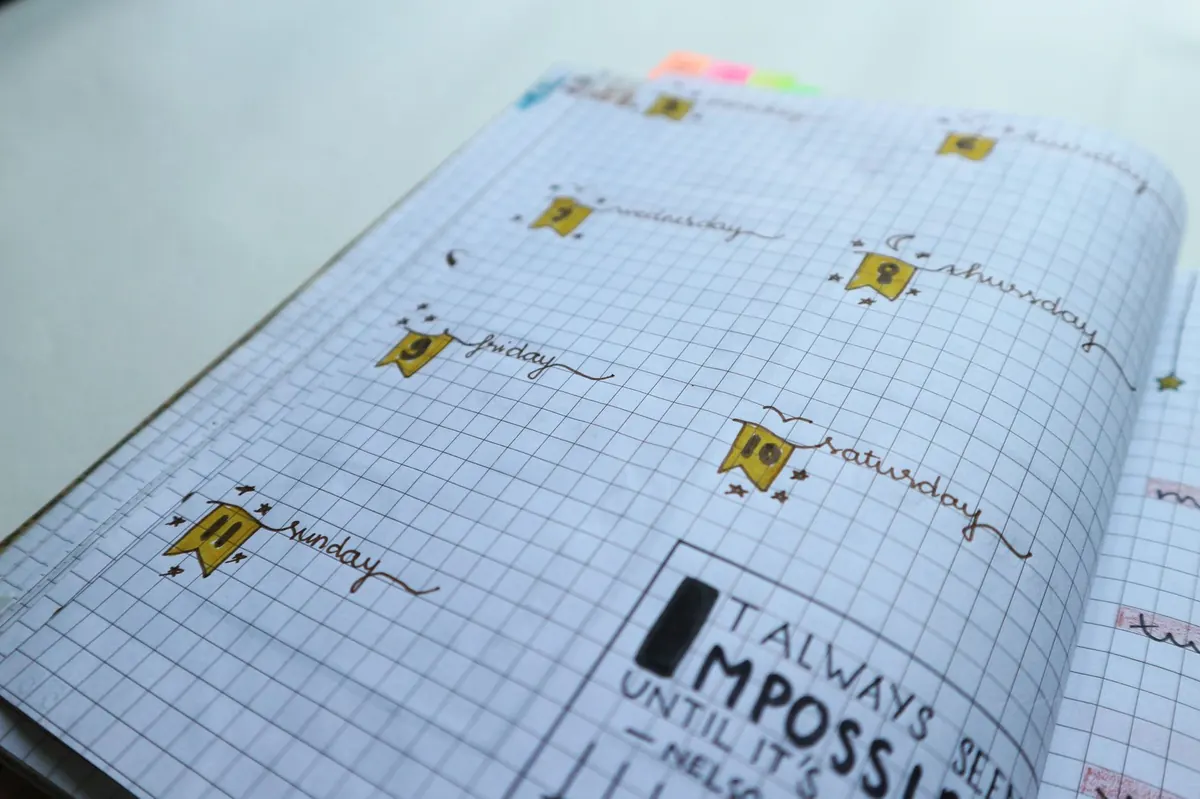
- Journals and planners: gel for appearance, but check the paper first. Thin planner pages show gel ink through.
- Anything going in the post today: ballpoint, or a quick-dry gel given a minute to settle.
Writing on both sides
Gel ink lays down more ink per word, so it shows through thin paper more readily. If you use both sides of a page, a ballpoint or a fine gel tip will keep your notebook legible instead of shadowed.
Refills, storage and everyday care
A ballpoint can sit in a drawer for a year and still work first time. A gel pen left uncapped overnight is often finished; the water content evaporates and the tip clogs. Gel refills also tend to empty sooner, simply because more ink reaches the page. If you like a particular body, check that refills are available for it before you commit, and keep a spare in your bag.
Heat is the other enemy. Leaving any pen on a sunny windowsill or in a hot car can make a gel refill leak into the cap. Store pens tip up where you can, and if a gel pen skips, try writing a few loops on scrap paper before assuming it is empty.
Choosing your everyday pen
Buy one gel and one ballpoint in a body shape you find comfortable, then use them for what they are good at. Reach for the gel when the writing needs to look considered and you have a moment for it to dry. Reach for the ballpoint when speed, permanence and paper quality are uncertain.
Test both on the paper you actually use, not on the sheet in the shop. Keep refills rather than replacing whole pens, and give a new refill a page or two before you judge it, since many settle after a short warm-up. There is no single winner here, only the right pen for the next sentence you have to write.
Photo: Bich Tran / Pexels